
Written down before it got lost

The remedies our grandmothers never wrote down

Honey and thyme for a cough. Ginger for a bad stomach. A cold cloth and a dark room. We test the old kitchen remedies, keep the ones that hold up, and say plainly when one doesn't.

One letter a week. No pills to buy, nothing to join. Leave whenever you like.

Where we've been starting

Each one gets the same treatment: where it came from, what it's actually supposed to do, and whether it survived a fair try in a normal kitchen.

A mug of hot water with lemon slices, fresh ginger and honey

Colds & coughs

Honey, lemon and ginger — the one that earns its reputation

The most common remedy in the book, and the one with the least argument behind it. Here's the ratio that actually soothes a throat, and the mistake that turns it into hot lemon squash.

Read the write-up →

Chamomile flowers growing in daylight

Sleep & nerves

Chamomile before bed: gentle, but not a sedative

Grandmothers reached for it at the end of a long day, and it does settle you — just not the way a sleeping tablet does. What it's good for, and what it was never going to fix.

Read the write-up →
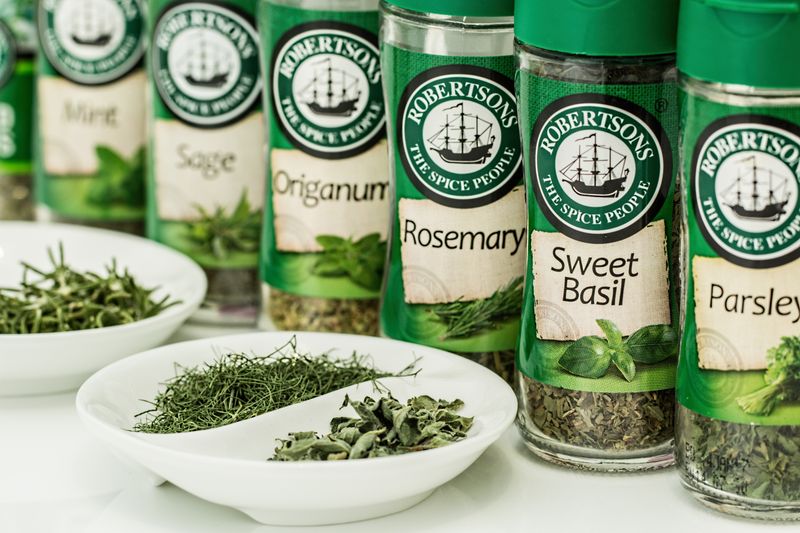
Dried cooking herbs and spices in open bowls

The pantry

Six things worth keeping in the cupboard

Most old remedies lean on the same short list — thyme, ginger, honey, salt, oats, bicarb. Buy these and you can make almost everything else in this book.

Read the write-up →

A recipe book, not a medicine cabinet

This started as a page of notes copied out of a relative's handwriting — the kind of thing that gets thrown out with the house. Some of it was sensible. Some of it was pure superstition dressed up as advice.

So we go through them one at a time, in a normal kitchen, and write up what happened. When something works, we say so. When it's an old wives' tale, we say that too — that's usually the more interesting week.

What this isn't: medical advice. Nothing here replaces your doctor, and a remedy that's fine for a scratchy throat is no help at all for something serious.

Dried herbs being prepared by hand on a wooden work surface